



Most of us barely think about the boiler until something goes wrong. It hides in a cupboard, hums away quietly and, as long as the radiators stay warm, it’s easy to assume everything is fine.
Yet ignoring it for too long may lead to surprises at the most inconvenient time, particularly once the colder months roll in and the heating is working harder than usual.
Regular servicing may appear like another household chore to squeeze in, but it usually pays off.
A yearly appointment gives an engineer the chance to spot problems before they interrupt your heating altogether, which can save a fair amount of stress.
I’ve seen plenty of people panic-book emergency callouts in winter simply because a small issue was left to develop into something much more serious.
What a boiler service actually involves
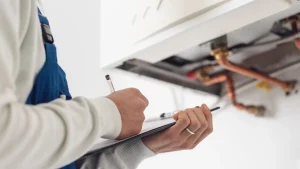
A proper service goes beyond a glance or a wipe-down. The engineer usually checks combustion levels, inspects internal components, cleans out debris and makes sure the boiler is operating safely.
They may also review the flue, seals, pipework and overall performance. These steps might sound technical, but they help maintain the system’s stability throughout the year.
Different boilers may need different forms of attention. Gas units, for example, often require combustion analysis, while oil boilers need filter inspections and nozzle replacements.
A good engineer is likely to explain what they’re doing as they go along, which helps homeowners understand how their system behaves and where wear is beginning to show.

How regular servicing helps prevent breakdowns
Minor faults tend to creep in quietly. A loose seal or partially blocked filter may not seem urgent at first, yet these small issues often grow into bigger failures.
When caught early, they can usually be sorted quickly and at a sensible cost, rather than turning into a full system breakdown that leaves a household without heating or hot water.
When the weather turns cold, heating engineers in many towns are overwhelmed with urgent jobs. You might struggle to secure an appointment when you need it most.
Servicing the boiler in advance may reduce the likelihood of needing emergency help, and it gives the engineer time to deal with potential faults before they escalate.
Safety benefits homeowners often overlook
It’s surprisingly easy to underestimate the safety side of boiler care. Carbon-monoxide risks, for instance, are often mentioned in passing, yet many households wouldn’t notice the early signs without specialist equipment.
A yearly inspection helps ensure the combustion process remains safe and that ventilation pathways haven’t become blocked or compromised.
Flues, valves and seals also deteriorate with age. Damage may not be obvious to someone casually looking at the boiler, which is why a qualified engineer’s trained eye appears so valuable.
They can pick up on subtle warning signs long before they present a genuine hazard. For many families, this added layer of reassurance is one of the main reasons they keep up with routine servicing.
Improving efficiency and reducing energy bills
A boiler that isn’t performing properly may waste more energy than you’d expect. You might notice radiators heating unevenly or the system cycling on and off more frequently.
These behaviours often hint at reduced efficiency, and they can nudge energy bills upwards without anyone realising. Servicing helps keep the boiler running as efficiently as possible.
Even a small performance improvement can make a noticeable difference over the course of a winter. Engineers may adjust settings, clear blockages, or tighten components that have loosened over time.
These tweaks may seem minor, but together they often produce a more consistent and economical heating system.
Extending the lifespan of the boiler
Boilers aren’t cheap to replace, so stretching out their lifespan is always welcome. Servicing may help delay major repairs by reducing strain on key components.
When parts are kept clean, calibrated and functioning as intended, the system generally faces less wear and tear.
This doesn’t mean servicing can stop all ageing — every boiler eventually reaches the end of its useful life. But a well-maintained unit usually lasts longer than one that’s ignored.
Many engineers say they can often tell when a boiler has been serviced regularly, simply by how well the components hold up over the years.
Warranty and insurance considerations
Many boiler warranties include a requirement for annual servicing. If homeowners skip a year or lose the paperwork, they may find themselves without cover when something goes wrong.
A simple annual record keeps things straightforward and avoids disputes with the manufacturer.
Some insurance policies for home heating systems also expect regular servicing. Insurers may request proof that the boiler has been maintained correctly before approving a claim.
Keeping up with scheduled checks may protect you financially and stop unnecessary arguments with your provider.
How often should you book a service?
Most engineers suggest arranging a service once a year, ideally at a time when the boiler isn’t working flat-out.
Booking in spring or early autumn is sometimes easier, as availability tends to be better and you’re less likely to face delays.
A consistent routine helps prevent the “I’ll do it later” mindset that many households fall into.
Setting a reminder each year appears to work well for people who don’t want to risk forgetting, and it keeps the boiler in steady condition without any last-minute pressure.

What to look for in a qualified engineer
When choosing someone to service your boiler, make sure they hold the appropriate qualifications.
Gas engineers must be Gas Safe registered, while oil systems require an OFTEC-registered technician. It’s also worth asking whether they’ve worked with your specific boiler brand before, as familiarity may reduce diagnosis time.
Transparent pricing and clear explanations are also important. An engineer who takes a moment to talk you through their findings usually builds more trust.
You don’t need to understand every technical detail, but having someone willing to explain what’s happening tends to make the whole process feel far more manageable.
Conclusion
Regular servicing isn’t simply a box-ticking exercise. It may prevent costly repairs, boost efficiency and enhance safety around the home.
Most importantly, it builds confidence that your heating will cope with whatever the British weather decides to throw at you.
By treating a boiler service as part of your standard home maintenance, you keep things running smoothly and avoid many of the headaches that come from unexpected breakdowns.
It’s a small appointment that often makes a very big difference over the course of a year.