


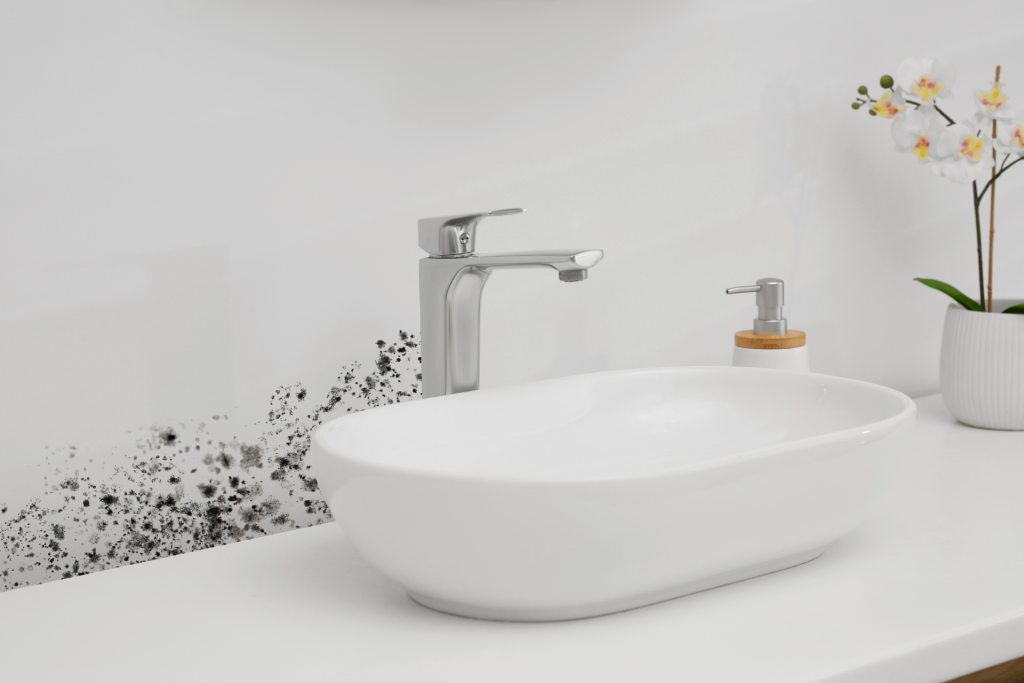
Mould is one of the most common household issues in the UK, especially in bathrooms where warmth and humidity create the perfect breeding ground.
Although it might start as a small black patch or a bit of discolouration, if left untreated, mould can spread quickly and become a serious problem.
Beyond being unsightly, mould poses health risks and can damage your property over time. It’s not just an aesthetic issue—it can cause respiratory problems, trigger allergies, and affect those with existing health conditions.
This blog will guide you through how to detect mould early and take practical steps to prevent it from coming back.
What Causes Mould in Bathrooms?
Mould thrives in damp, warm environments, which makes bathrooms a hotspot. Daily activities like showering, bathing, and even drying indoor laundry contribute to excess moisture.
If this moisture isn’t properly ventilated or dried out, it builds up and encourages mould to grow on surfaces like tiles, ceilings, and paintwork.
Poor insulation and temperature differences can also lead to condensation, which adds to the problem. Leaky pipework, dripping taps, or ineffective sealant around the bath or shower can create hidden damp areas.
These issues, although seemingly minor, often go unnoticed until visible signs of mould appear.
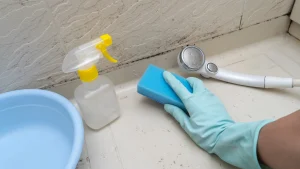
How to Spot the Early Signs of Mould
The first sign of mould is often visual—dark patches or streaks forming on the ceiling, tiles, or along the edges of your bath or shower. These might appear black, green, or even orange depending on the type of mould.
You may also notice the grout between tiles becoming discoloured or the silicone sealant around fittings turning dark and brittle.
There’s also the distinctive musty smell that mould gives off. If your bathroom smells damp even after cleaning, it’s a strong indicator that mould is present.
Peeling paint or wallpaper, and condensation that lingers on walls and mirrors, are further signs that excess moisture is leading to a mould-friendly environment.
Pay close attention if you or your family are experiencing unexplained coughing, sneezing, or allergy-like symptoms, especially after using the bathroom.
High-Risk Areas to Check Regularly
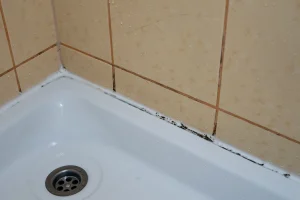
Certain spots in your bathroom are more prone to mould than others. Around the bath and shower is the most obvious area, especially in corners and joints where water tends to collect.
It’s also worth checking behind and underneath the toilet, as small leaks can often go unnoticed.
Other trouble spots include under the sink, where pipework is hidden, the ceiling above the shower, and corners of the room where air doesn’t circulate as well.
Grout lines, silicone sealant, and windowsills also deserve regular inspection, particularly during colder months when condensation is more likely to form. Keeping an eye on these areas can help you catch mould early before it becomes a bigger issue.
How to Prevent Mould Growth
One of the best ways to prevent mould is by improving your bathroom’s ventilation. An extractor fan is essential—run it during and after showers for at least 20 minutes.
If your bathroom has a window, open it daily to let fresh air in and help moisture escape. A small dehumidifier can also be effective, especially in windowless or poorly ventilated bathrooms.
It’s also important to wipe down wet surfaces after use. Taking a few minutes to dry your tiles, mirrors, and worktops will stop water from sitting and creating damp patches.
Fixing leaks immediately, resealing worn edges, and using mould-resistant paint or grout can also make a big difference. Prevention is always easier and more cost-effective than removal.
Cleaning and Removing Existing Mould Safely
If you’ve already spotted mould, it’s crucial to remove it safely and thoroughly. Natural cleaning solutions like white vinegar or bicarbonate of soda can work well on minor outbreaks.
Spray the affected area, leave it to sit for a few minutes, then scrub with a stiff brush. Always rinse and dry the surface after cleaning.
For larger or more stubborn mould patches, you may need a specialist mould remover. Make sure the product is safe for bathroom surfaces and follow the instructions carefully.
When cleaning mould, always wear gloves and a face covering to avoid breathing in spores. If the mould is widespread or keeps returning despite your efforts, it’s wise to contact a professional.
Long-Term Prevention Tips
Long-term prevention requires a bit of routine maintenance. Re-sealing tiles and reapplying grout each year can help keep moisture out of areas where it doesn’t belong.
Keep an eye on areas prone to leaks or damage and repair issues as soon as they arise. A regular deep clean every few weeks will also discourage mould from returning.
You could also consider installing features like humidity sensors or heated mirrors, which can help reduce condensation. Upgrading your extractor fan or improving insulation around your bathroom walls and ceiling can also make a huge difference.
By making small but consistent improvements, you can ensure your bathroom remains mould-free all year round.
Conclusion
Dealing with mould might feel overwhelming at first, but early detection and simple prevention measures can make all the difference.
By keeping an eye on high-risk areas and controlling moisture levels, you’ll significantly reduce the chance of mould developing.
A mould-free bathroom isn’t just about appearance—it’s better for your health, home, and peace of mind.
Make regular inspections part of your cleaning routine, invest in good ventilation, and act quickly when problems arise. Your bathroom will thank you for it.