


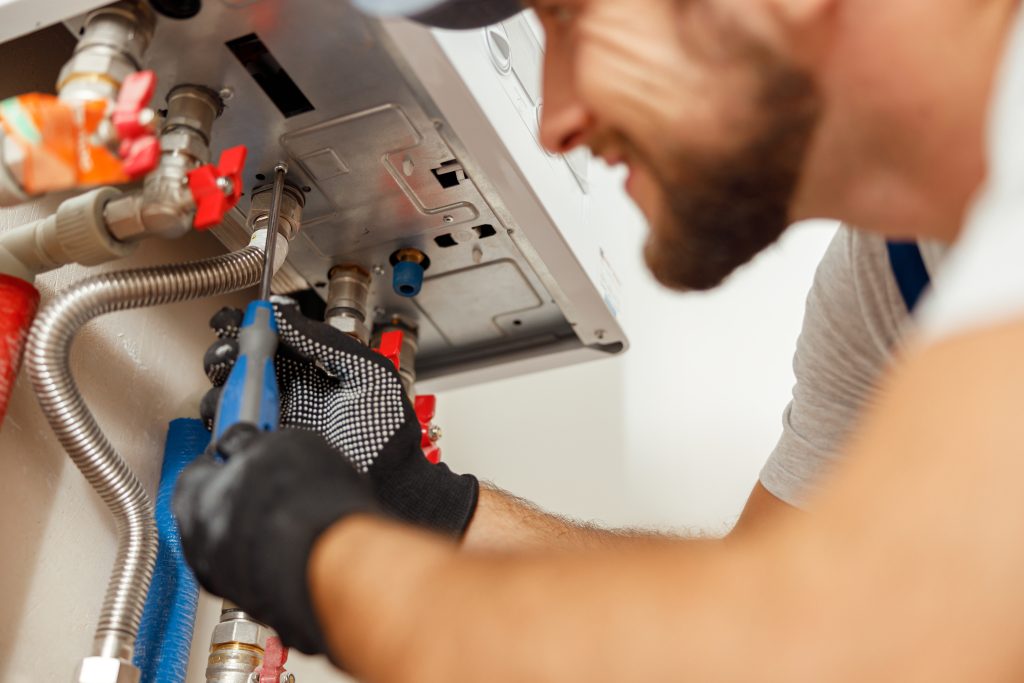
Converting a loft or garage is a great way to add extra living space to your home without the need for a full extension.
Whether you’re creating a new bedroom, home office or utility area, these types of conversions are becoming more and more popular across the UK.
While much of the focus is on layout and interior design, don’t forget to not overlook the practicalities, especially the plumbing.
Proper plumbing planning from the start will save you time, money and future headaches.
Whether you’re adding an en-suite to a loft or a utility sink to a garage, understanding the plumbing implications early on in the project will make the conversion process smoother and ensure you comply with building regulations and maintain the value and functionality of your home.
What’s the Intended Use of the Space
Before making any plumbing decisions, you need to be clear on how the converted space will be used.
Will it be a bedroom with an en-suite, a utility room or even a self-contained living space? The intended use will directly impact what plumbing fixtures and systems you need – from sinks and toilets to showers and washing machines.
For example, a bedroom with an en-suite will need hot and cold water feeds, drainage and ventilation.
A utility area in a garage may need plumbing for a washing machine and sink, but won’t need a toilet or shower. Knowing these needs early on will avoid costly changes later in the build.
Where’s the Existing Plumbing Infrastructure
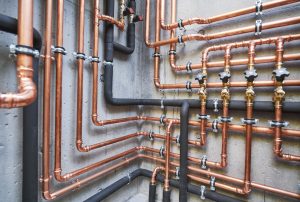
One of the first practical steps is to locate where your existing pipework and drainage systems are. The closer your new fixtures are to the current water and waste connections, the easier and more cost effective the plumbing installation will be. This is especially relevant in older properties where pipe layouts can be more complex.
Limited access can be a challenge, especially in garages where the floor is solid concrete or lofts where space is tight and pipe runs need to be carefully routed. A site survey can help uncover any hidden issues before work starts and allow for realistic planning and budgeting.
Water Supply and Pressure
A reliable water supply with adequate pressure is key, especially when adding plumbing fixtures to upper floors like lofts. Water pressure drops the higher up you go, so you’ll need to make sure your system can cope with the extra demand.
In some cases, a pump or larger diameter pipes may be required to maintain proper flow.
Another consideration is whether your current boiler or hot water system can cope with the extra load.
If you’re installing a new shower or more than one new fixture, you may need to upgrade your heating system or hot water cylinder to ensure consistent performance throughout your home.
Waste and Drainage Solutions
Connecting your new fixtures to the existing waste and drainage system is a key part of the conversion process. Toilets, sinks and showers all need reliable waste removal, and the pipework needs to have the correct gradients to allow for proper flow.
This can be more complex in garages where the existing system is far away or above the new room.
Where gravity fed drainage isn’t possible, such as in some garage conversions, a pumped waste system or macerator may be the best solution.
These systems allow waste to be lifted to join the existing pipework at a higher level, offering flexibility, but require careful installation and maintenance to avoid issues later on.
Ventilation and Moisture Control
Plumbing installations introduce moisture into a space, so it’s essential to consider ventilation.
Loft conversions, in particular, can be prone to condensation due to temperature differences and poor air circulation. Without proper ventilation, moisture can lead to damp, mould and structural problems over time.
Installing an extractor fan in any bathroom or utility area is a must, and passive ventilation methods such as trickle vents can help maintain airflow.
In some cases, a mechanical ventilation system may be needed. The key is to match your ventilation solution to the size and use of the space to prevent any long term issues.
Heating Considerations
Heating the converted space is essential to make it usable all year round. Options include extending your central heating system into the new area, installing electric radiators or even underfloor heating if space and budget allow.
Each option has its pros and cons depending on the layout and insulation of the space.
When using radiators, careful planning is needed to ensure pipework can be run discreetly, especially in lofts where space is limited and walls may be sloped. Insulation is key in both lofts and garages to make heating efficient.
Without proper insulation, you’ll end up spending more on heating bills and may still have a cold, uncomfortable room.
Access for Maintenance and Future Repairs
While it’s tempting to box in pipes and hide everything away for a sleek finish, future access should never be overlooked.
Plumbing systems need to be accessible for servicing, repairs and inspections. This is especially important in converted spaces where layout changes may restrict access to previously open areas.
Installing access panels and designing pipe runs with maintenance in mind will save you hassle in the long run.
It’s also wise to document where everything is located so future work doesn’t involve tearing up walls or floors. A little forethought here will prevent a lot of damage and expense later on.
Hiring a Qualified Professional
Plumbing in conversions should always be carried out by a qualified, experienced professional.
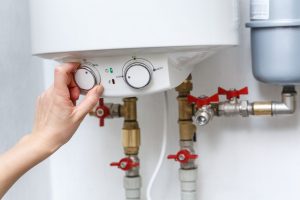
For any work involving gas, such as boilers or water heaters, you must use a Gas Safe registered engineer. This ensures safety, legality and peace of mind throughout the project.
Working with a knowledgeable plumber from the planning stage means you can get expert advice on layout, compliance and cost saving options.
They’ll also be familiar with local Building Regulations, so you can avoid delays or problems with sign off at the end of the project.
Conclusion
Plumbing is one of the most important aspects to get right when converting a loft or garage.
From drainage and water supply to heating and ventilation, every detail counts to make the space functional, safe and comfortable for years to come.
By considering your plumbing needs from the start and working with qualified professionals, you can avoid unnecessary problems and add real value to your home.
If you’re planning a project like this get in touch with our team for expert advice and a no obligation quote.