


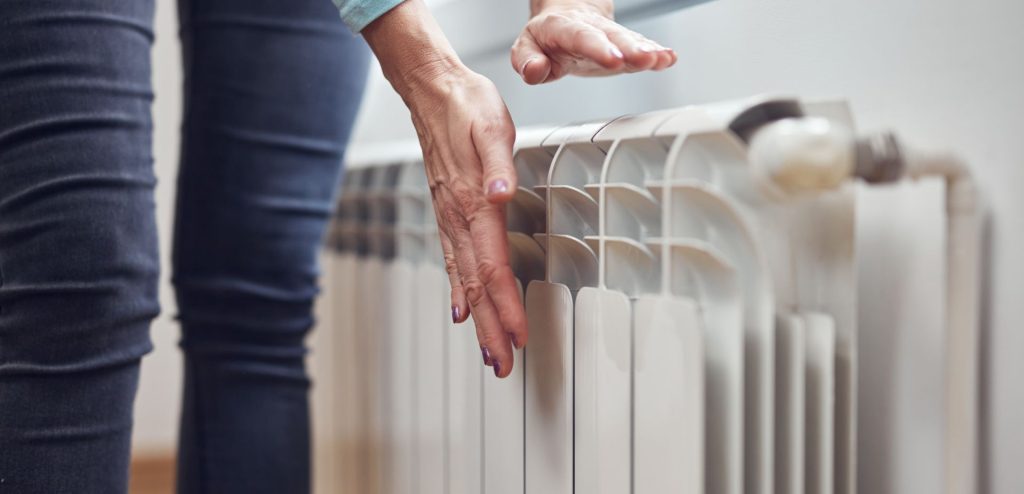
Radiators play a crucial role in keeping homes warm and comfortable throughout the colder months.
Despite their importance, many homeowners are often unsure whether a malfunctioning radiator should be repaired or replaced. Making the right choice can save both money and hassle, while ensuring your home remains cosy.
Understanding the condition of your radiator and recognising early warning signs can prevent more serious problems down the line.
This guide aims to provide practical advice to help you make an informed decision, balancing cost, efficiency, and long-term comfort.
Understanding Your Radiator
Radiators are heat exchangers that transfer warmth from hot water or steam into a room, providing steady and reliable heating.
In the UK, the most common types include panel radiators, column radiators, and traditional cast iron models, each with distinct characteristics and lifespans.
Typically, a well-maintained radiator can last between 10 and 25 years, depending on the material and usage.
Knowing your radiator type and age is essential, as older radiators may be more prone to leaks, corrosion, or inefficiency, which can influence whether repair or replacement is the better option.
Signs That a R adiator Needs Attention
Cold spots or uneven heating are often the first signs that a radiator is struggling.
If parts of the radiator remain cold while others are hot, it may indicate trapped air, sludge build-up, or corrosion.
Other warning signs include rust, leaks, and strange noises such as gurgling or banging.
Frequent bleeding or attempts to balance the system may also point to underlying issues, signalling that the radiator requires either repair or replacement.
When to Consider Repairing Your Radiator
Minor issues such as small leaks, valve problems, or slight corrosion can often be repaired without the need for full replacement.
Bleeding the radiator or replacing a faulty valve can restore proper function and even out heating in the affected area.
Repairing a radiator is generally more cost-effective than replacing it, particularly if the damage is minimal or the radiator is relatively new.
However, repairs may only offer a temporary solution for older units that are nearing the end of their lifespan.
When to Consider Replacing Your Radiator
Extensive rust, structural damage, or persistent leaks are clear indicators that replacement is necessary.
Radiators that fail to heat efficiently, even after repairs, are often better replaced to improve home comfort and energy usage.
Replacement may also be desirable for aesthetic reasons, particularly during renovations.
Modern radiators come in a variety of designs and colours, allowing homeowners to match their décor while benefiting from improved energy efficiency.
Cost Considerations
The cost of radiator repair in the UK typically ranges from £50 to £150, depending on the extent of the damage and whether parts need replacing.
Full radiator replacement, including installation, can range from £200 to £500 or more.
While replacement is often more expensive upfront, it can result in long-term savings due to improved heating efficiency and reduced energy bills.
It’s also worth considering hidden costs such as labour, disposal of the old radiator, and potential adjustments to existing pipework.
DIY vs Professional Assistance
Homeowners can safely carry out some minor tasks themselves, such as bleeding radiators or replacing simple valves.
These basic tasks can improve heating efficiency without significant expense.
However, more complex issues, particularly leaks, corrosion, or the installation of a new radiator, should be handled by a professional plumber or heating engineer.
Using a qualified professional ensures the work is safe, compliant with regulations, and completed to a high standard.
Making the Right Decision
Deciding whether to repair or replace a radiator requires careful consideration of the radiator’s age, condition, and overall efficiency.
Balancing short-term costs against long-term savings can help you make the best choice for your home.
A practical approach is to assess the radiator using a simple checklist: check for leaks, rust, noise, and heating performance.
If multiple issues exist or the radiator is older than 15–20 years, replacement is often the wiser option to maintain comfort and efficiency.
Conclusion
Radiators are an essential component of any heating system, and recognising when to repair or replace them is key to a warm, energy-efficient home.
Small issues can often be fixed, but extensive damage or outdated units may require replacement.
Taking action promptly not only saves money in the long run but also prevents disruption during the colder months.
If in doubt, consulting a professional plumber or heating engineer is the safest way to ensure your heating system continues to operate reliably.