


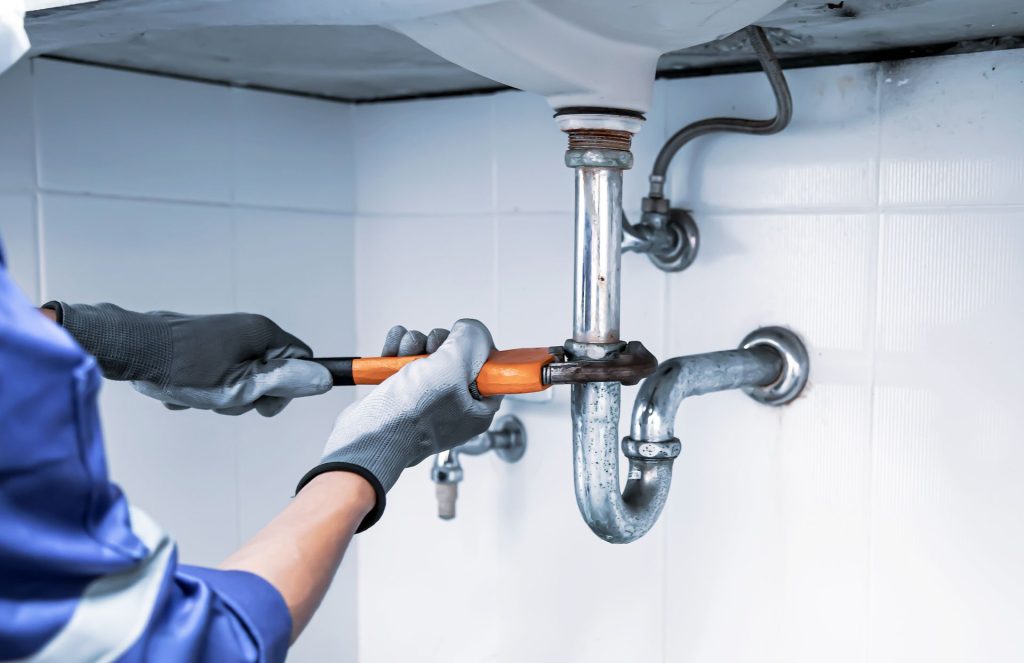
Low water pressure in your home can be a significant inconvenience, whether it’s making showers less satisfying or slowing down the washing of dishes. While it may seem like a minor annoyance at first, low pressure can point to deeper issues within your plumbing system.
Understanding the root causes is essential to restoring your water pressure and ensuring the longevity of your system. In this post, All Plumbing Newbury will explore some of the most common causes of low water pressure and provide solutions to help you resolve the issue efficiently.
Several factors can contribute to water pressure problems, from blocked pipes to faulty pressure regulators. Some issues might be easy to resolve with basic checks, while others may require the help of a professional plumber. By addressing these problems early, you can prevent more severe damage and ensure your plumbing continues to function smoothly.
Blocked or Leaking Pipes
One of the most frequent causes of low water pressure is a blockage in your pipes. Over time, sediment and minerals like limescale can build up inside the pipes, restricting water flow.
Additionally, debris can enter the system from the water supply and contribute to blockages. Similarly, leaks in your plumbing system can reduce water pressure as water escapes through the cracks instead of reaching your taps.
To solve this issue, check for visible signs of leaks such as damp spots on walls or ceilings, or puddles forming where there shouldn’t be any. Blockages may be harder to detect without specialist equipment, so if you’re unsure, it’s best to call a professional plumber to assess your system.
Fixing leaks and clearing blockages promptly will restore your water pressure and prevent further damage to your pipes.
Faulty Pressure Regulator
In some homes, a pressure regulator is installed to control the flow of water into the property, ensuring that the pressure remains within a safe range. However, if the regulator is faulty or incorrectly set, it can cause either very high or low water pressure.
Over time, wear and tear on this component can also affect its ability to regulate the water pressure effectively.
You can test the water pressure in your home using a pressure gauge. If the reading is lower than the standard range (typically 40-60 psi), the regulator may need adjusting or replacing.
If you’re unsure how to do this, a qualified plumber can assess the situation and make the necessary adjustments to restore proper water flow.
Problems with the Water Supplier
Sometimes, the cause of low water pressure lies beyond your home’s plumbing and is instead related to the water supplier. Construction work, maintenance, or other disruptions in the local supply network can temporarily reduce the amount of water reaching your home.
In these cases, the issue often resolves itself once the supplier has completed the work.
If your neighbours are experiencing similar problems, it’s worth contacting your water supplier to find out if there are any ongoing disruptions in your area.
While you may not be able to fix this type of issue directly, staying informed will help you understand when normal water pressure is likely to be restored.
Clogged Faucets or Fixtures
Over time, mineral deposits, especially in areas with hard water, can accumulate inside your faucets and showerheads. This build-up of limescale can significantly reduce water flow, causing pressure to drop at the fixture itself rather than within your broader plumbing system.
While this issue might seem minor, it can be one of the more common reasons for low water pressure in specific rooms.
To resolve this, remove the affected faucets or showerheads and clean them. Soaking the parts in a vinegar solution overnight can dissolve limescale, restoring the water flow.
In more severe cases, replacing the fixture may be necessary. Regular maintenance and cleaning can prevent limescale from becoming a recurring problem.
Corroded Plumbing
Older homes, particularly those with galvanised steel pipes, may suffer from internal pipe corrosion. As pipes age, they can rust from the inside out, gradually narrowing the diameter of the pipe and restricting water flow.
Corroded pipes not only reduce water pressure but can also pose health risks if rust particles contaminate your water supply.
Inspect your pipes for visible signs of corrosion, such as discolouration or flaking. Unfortunately, once pipes have corroded internally, the only long-term solution is to replace them.
Upgrading to modern materials such as copper or PEX can improve water pressure and reduce the risk of future corrosion.
Shared Water Supply Issues
If you live in a block of flats or share a water supply with neighbours, simultaneous usage can affect your water pressure. For instance, if several homes are using water at the same time, the shared supply can result in a noticeable drop in pressure during peak hours.
This is a common issue in buildings with older plumbing systems that may not be designed for modern water usage demands.
One solution is to install a water pressure booster pump, which can increase the water pressure in your home even when demand on the shared supply is high.
A qualified plumber can recommend the right type of pump for your property and handle the installation to ensure optimal results.
Main Shutoff Valve Partially Closed
Sometimes, the problem is as simple as the main shutoff valve not being fully open. This valve controls the flow of water into your home, and if it’s even slightly closed, it can restrict water flow and lower pressure throughout the property.
This is often one of the first things to check when experiencing low water pressure.
To fix this, locate the main shutoff valve, which is typically found where the water supply enters the home. Turn it fully in the open direction and see if your water pressure improves.
If this doesn’t resolve the issue, there may be another underlying cause that requires professional attention.
Conclusion
Low water pressure can stem from a variety of causes, from something as straightforward as a partially closed valve to more complex issues like pipe corrosion.
By understanding the most common reasons for pressure drops, homeowners can address minor problems themselves and know when it’s time to call in a professional.
Whether it’s checking for leaks, cleaning fixtures, or adjusting the pressure regulator, prompt action will help restore your home’s water pressure and prevent further complications down the line.