


Living in an older UK home has its charm, from the traditional features to the character that newer homes just don’t have. But along with those lovely features, older homes come with a set of plumbing problems that can affect both comfort and functionality.
If left unaddressed these can cause a whole host of issues from unexpected leaks to inefficiencies that increase your household bills.
Knowing what to look out for in older homes can help you maintain and increase the value and livability of your property. Fixing outdated systems and fixtures means these beloved homes can continue to be warm and welcoming spaces.
In this guide, All Plumbing Newbury will look at the most common plumbing problems in older UK homes and how to fix them.
Outdated Pipe Materials
In many older homes across the UK, the plumbing systems still have materials used in the past, such as lead or galvanised steel. Lead pipes are a health risk as the metal can leach into drinking water over time and cause serious health issues.
Galvanised steel pipes rust and corrode which can cause leaks, discolouration of water and reduced water flow as the material degrades over the years.
To fix this, it’s highly recommended to replace old pipes with modern, safer alternatives like copper or PEX plastic. Copper pipes are durable and long lasting, and PEX is more flexible and affordable.
A professional plumber can assess the home’s existing plumbing and recommend a full or partial pipe replacement plan that will ensure water quality and reduce the risk of leaks, it’s a worthwhile investment for older properties.
Low Water Pressure
Another common problem in older UK homes is low water pressure, often caused by smaller diameter pipes or mineral buildup in the plumbing. This becomes a real issue in homes where multiple water sources are used at the same time, like kitchens and bathrooms.
Over time sediment and minerals can build up inside the pipes and narrow the diameter and restrict the flow of water.
Improving water pressure may involve updating older, smaller-diameter pipes to larger-diameter pipes or descaling existing pipes to remove any buildup.
If low pressure remains a problem, connecting to a new water main may be the solution, providing more flow and pressure to the home. Speak to a plumber to find out what’s the best course of action to get your water pressure back to normal.
Leaking or Faulty Plumbing Fixtures
Older homes have vintage taps, showerheads and other fixtures that may leak or show signs of wear and tear from years of use. Even small leaks can cause water damage over time to walls, floors and cabinetry.
These minor issues can also add to your water bills as even a slow drip can waste a lot of water if left unchecked.
Replacing or repairing these old fixtures can prevent further damage and improve water efficiency. Choosing modern fixtures designed with efficiency in mind can reduce water waste and preserve the classic look of an older home.
Regular inspections and prompt repairs will go a long way in maintaining the condition of the property and keeping your bills under control.
Poor Drainage and Frequent Blockages
Drainage issues and blockages are more common in older homes due to outdated plumbing materials and smaller drain pipes. Over time these pipes can get clogged with sediment and debris, causing slow drainage or in worst cases full blockages.
If left untreated this can cause bad smells, sewer backups and even health hazards.
Regular professional drain cleaning can prevent blockages and improve overall drainage efficiency. For homes that have frequent drainage issues, upgrading to modern, larger drain pipes may be the solution.
Getting a professional inspection and cleaning is key to long-term peace of mind especially in older properties with complex plumbing systems.
Inefficient Boiler and Heating System
Heating systems in older homes are often outdated with inefficient boilers that can’t keep up with modern heating demands. As a result, homeowners may find themselves with inconsistent heating, higher energy bills and more breakdowns, especially during winter.
These older systems are not only unreliable but also less energy efficient, resulting in higher carbon emissions and energy costs.
Upgrading to a high efficiency boiler will give you more consistent heating, lower energy bills and better overall performance. Many older homes may also be eligible for government incentives to replace old boilers making this upgrade more affordable.
Even if you can’t replace the system immediately, regular servicing of the existing system will ensure it runs as efficiently as possible until an upgrade is possible.
Dampness and Mould Due to Poor Ventilation
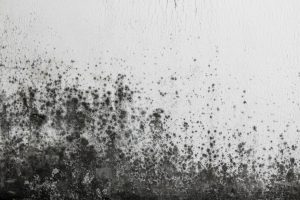
Due to outdated plumbing and poor ventilation dampness and mould growth is a common issues in older homes. Bathrooms, kitchens and basements are more prone to dampness as steam and condensation build up without proper airflow.
Persistent dampness is the perfect environment for mould growth which can damage surfaces, reduce indoor air quality and potentially cause respiratory issues.
Improving ventilation in these areas is key to preventing dampness and mould. Installing modern ventilation fans or upgrading existing ones in bathrooms and kitchens can reduce moisture build up, while other solutions like dehumidifiers and waterproofing can help in more damp areas.
Fixing ventilation issues not only maintains the home’s structural integrity but also the living environment’s health.
Conclusion
Owning an older UK home is a privilege but it comes with the responsibility of maintaining and modernising the systems.
By fixing common plumbing issues, such as old pipes, low water pressure, leaks, drainage problems, inefficient heating, and poor ventilation, homeowners can preserve their home’s beauty and value and make it more functional and comfortable.
Taking proactive steps to upgrade or repair these elements will ensure older homes can be loved for generations.
If you have any of these issues, contact a qualified plumber first and foremost. This will safeguard the structure of the home and allow you to have the best of both worlds: classic design and modern plumbing.
With the right care, older homes can be as comfortable and charming as ever, blending the past with today’s convenience.