


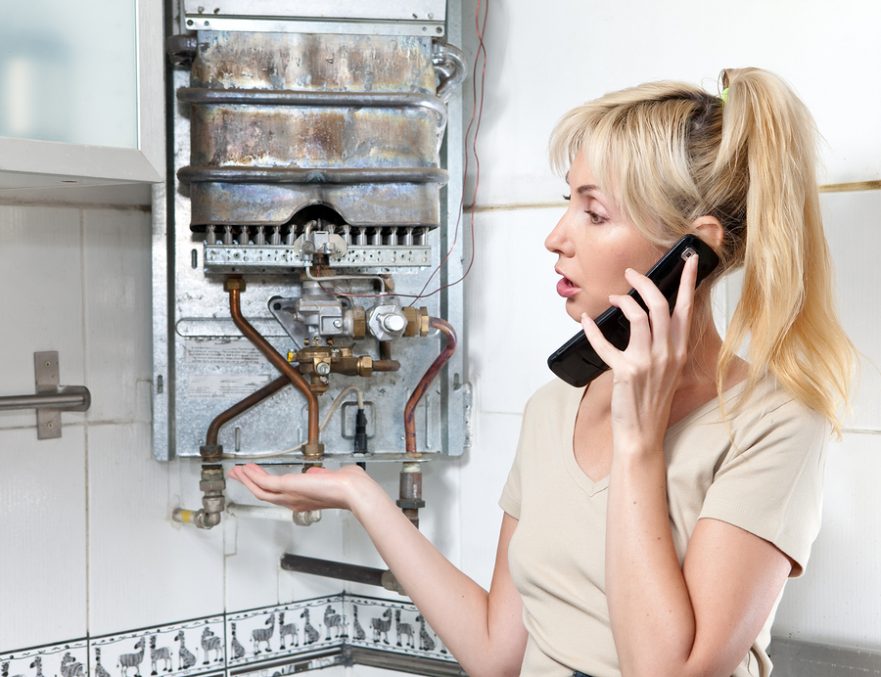
Plumbing emergencies can happen at any time and often when we least expect them. Whether it’s a burst pipe, a toilet that won’t stop overflowing or a big water leak, dealing with plumbing problems quickly can prevent further damage to your home.
In an emergency, it’s easy to panic but knowing what to do can make all the difference. Taking action fast while you wait for the professionals can reduce the damage and get the issue resolved quicker.
While you wait for a plumber to arrive, staying calm and assessing the situation is key. A few simple actions can limit water damage, protect your belongings and stop the plumbing issue from getting worse.
In this blog, we’ll go through the most important steps to follow in a plumbing emergency so you can feel calm and respond quickly until help arrives.
Recognise the Plumbing Emergency
One of the first things to do in a plumbing emergency is to determine the severity of the problem. Common plumbing emergencies include burst or leaking pipes, blocked drains, flooded bathrooms or an overflowing toilet.
Identifying these issues early on allows you to act fast and prevent further damage to your property. If water is gushing from a pipe or the toilet is flooding the room, these are clear signs you need to act fast.
But not all plumbing problems are emergencies. A slow leak for example might not cause immediate harm but could cause big water damage over time if left unattended.
In these cases, you should still call a professional plumber but the sense of urgency might be less. Assessing whether the problem is an immediate threat to your property will help you decide what to do.
Turn Off the Water Supply
Once you’ve identified the emergency the next step is to turn off the water supply. This is the best way to stop further flooding or water damage. In most homes the main water valve is located near the water meter, often outside or in a utility cupboard.
If the issue is with a specific appliance or fixture like a toilet or sink there’s usually a separate valve that controls the water supply to that fixture alone. It’s good to know where these shut-off valves are before an emergency arises.
Turning off the water supply will stop the water from flowing and prevent it from getting worse. If water is still leaking after you’ve turned off the valve you should call a plumber straight away as they may need to repair or replace the valve or assess the wider plumbing system for other issues.
This will save you from major damage and make the repair process easier.
Turn Off Electrical Systems
When dealing with a plumbing emergency safety is key. If water is leaking near outlets, appliances or wiring you need to turn off the power to the affected area.
Water and electricity don’t mix and there’s a real risk of electrocution if water comes into contact with live wires. Turn off the power at the fuse box or circuit breaker to avoid any electrical hazards while you deal with the plumbing issue.
Even if the plumbing emergency doesn’t involve water near electrical systems it’s still a good idea to avoid using electrical appliances until the situation is under control.
For example, using a vacuum cleaner to suck up water might seem like a good idea but it could be a risk if the appliance comes into contact with water. Always err on the side of caution when it comes to mixing water with electricity.
Protect Your Belongings
Once the water supply and electricity are off it’s time to protect your belongings. The priority should be to move any furniture, electronics or valuables away from the affected area.
Water can cause irreparable damage to these items and by acting fast you can limit the damage. If possible move furniture or use towels, plastic sheeting or buckets to catch the water before it spreads further.
If you can’t move large furniture or items place towels or old blankets around them to create a barrier and soak up the water. If the leak is severe you may need to use plastic sheets or tarpaulins to cover any carpets or flooring to prevent water damage.
These small actions will save you a lot of work when the plumber arrives.
Assess the Situation
At this stage, you need to assess the situation and decide if any temporary fixes can be made. In some cases, like a leaking tap or a loose pipe, you might be able to temporarily stop the leak by tightening the fittings or using emergency plumbing tape.
But don’t try to do anything that could make the problem worse or cause injury if you’re not sure what’s causing the issue.
For more complex plumbing issues like burst pipes or a blocked main sewer line, it’s best not to try to fix it yourself. While temporary fixes can work sometimes they are only a short term solution.
Relying on professional plumbers to fix the root of the problem is the safest and best way to resolve a plumbing emergency.
Call a Professional
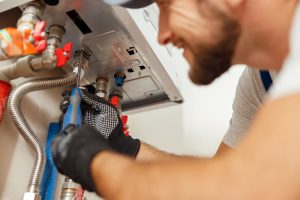
After you’ve minimised the damage the next step is to call a professional plumber. Emergency plumbing services are available 24/7 and many plumbers will come to your property promptly to fix the issue.
When you call a plumber make sure to provide as much information as possible about the situation including the type of emergency, the location of the problem and any action you’ve taken so far such as turning off the water supply. This will help them prepare for the job and arrive with the right tools.
It’s always best to have the contact details of a trusted plumber saved in your phone for quick access. Having a reliable professional on standby for emergencies will save you time and stress when things go wrong.
And knowing when to call in a professional will prevent small problems from becoming big expensive repairs.
Prevent Future Emergencies
While you’re focused on the immediate plumbing emergency it’s also a good idea to think about preventative measures to avoid similar situations in the future.
Regular maintenance such as having your pipes checked for leaks or your water heater serviced can help detect issues before they become major problems.
You may also want to consider installing water leak detectors in key areas of your home such as the kitchen, bathroom and basement to get early warning of potential problems.
And make sure your plumbing system is properly insulated especially in colder months to prevent pipes from freezing and bursting. Simple things like clearing drains regularly to avoid blockages or checking your water fixtures can go a long way in preventing plumbing emergencies.
Taking proactive steps will keep your plumbing system safe and functioning.
Conclusion
A plumbing emergency can be stressful but knowing what to do in the critical moments can make a big difference.
By recognising the emergency, turning off the water supply, protecting your belongings and calling a professional plumber you can minimise the damage and get the problem fixed.
So remember plumbing emergencies need quick thinking and a clear head and having the right info will make it all much easier.
Yes, you need to focus on the immediate problem but it’s also a good idea to take steps to prevent future plumbing emergencies. Maintenance, early detection and smart upgrades will reduce the likelihood of another emergency happening.
Look after your plumbing, and you’ll save time, money and stress in the long run.