


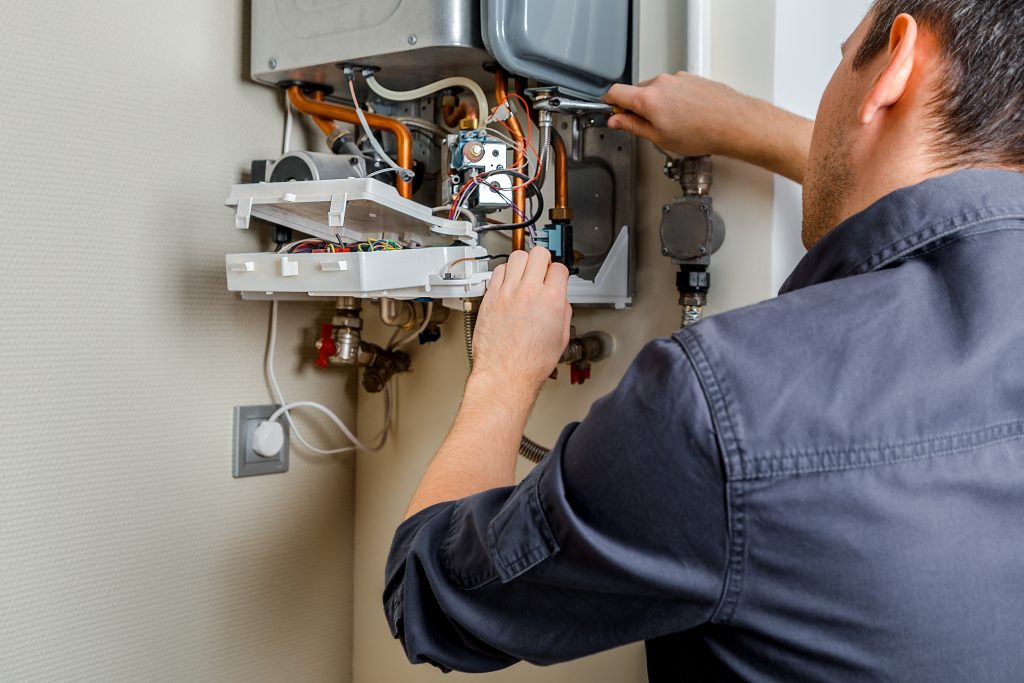
A boiler is one of the most essential appliances in any UK household, providing warmth and hot water all year round. However, like any other equipment, boilers have a lifespan, and when they become outdated, they can lead to inefficiencies, higher running costs, and even safety concerns. Knowing when to replace your boiler can save you money and ensure your home remains comfortable and safe. An old boiler may no longer meet your household’s demands or comply with modern energy efficiency standards. By recognising the signs of wear and tear, you can make an informed decision about upgrading to a more reliable and efficient model. In this guide, we’ll explore the key indicators that it’s time to consider replacing your boiler and the benefits of investing in a modern heating system.
Signs Your Boiler May Need Replacing
Inconsistent heating or a lack of hot water are often the first signs that your boiler is struggling. If your radiators take longer to heat or your hot water flow is unreliable, it could indicate that your boiler is no longer operating efficiently. These issues can be particularly inconvenient during the colder months and may warrant an upgrade. Frequent breakdowns are another red flag. While occasional repairs are normal, repeated failures can quickly add up in costs. Instead of continually investing in fixes, replacing the boiler with a new, dependable model may be more cost-effective in the long run, especially if the current boiler is nearing the end of its expected lifespan. 
Rising Costs Due to an Old Boiler
Older boilers often lack the energy efficiency of modern models, leading to significantly higher energy bills. An outdated boiler may struggle to convert fuel into heat effectively, resulting in wasted energy and increased costs. Over time, these inefficiencies can make operating an older boiler financially unsustainable. Additionally, the cost of repairs can spiral out of control if parts for your boiler become scarce or expensive. While replacing an individual component might seem cheaper initially, frequent repair bills can quickly outweigh the cost of a new, more efficient boiler. Investing in a replacement is a practical step towards reducing long-term expenses.
Efficiency and Environmental Factors
Modern boilers are designed to meet much higher energy efficiency standards than older models, often achieving ratings of 90% or more. Upgrading to an A-rated condensing boiler can significantly reduce your energy consumption and, consequently, your utility bills. It’s a worthwhile investment for both your wallet and the environment. Environmental considerations are increasingly important for homeowners. Old boilers contribute to higher greenhouse gas emissions due to inefficient fuel use. By replacing your outdated unit with a more efficient model, you can reduce your carbon footprint while enjoying improved performance. 
Safety Considerations
Safety is paramount when it comes to home heating. Older boilers are more prone to faults, and in some cases, these can result in dangerous carbon monoxide leaks. Carbon monoxide is odourless and highly toxic, making it essential to ensure your boiler is functioning correctly or replaced if it poses a risk. Even with regular servicing, older boilers may not meet modern safety standards. Components can deteriorate over time, and finding compatible replacement parts can be challenging. If safety is a concern, upgrading to a new boiler can provide peace of mind for you and your family.
Benefits of Replacing Your Boiler
A new boiler offers numerous advantages, including improved energy efficiency, which translates to lower heating bills. Modern boilers often feature advanced technology, such as smart controls and weather compensation, which optimise their operation to suit your household’s needs, saving you money in the process. Reliability is another significant benefit. With a new boiler, you’ll experience fewer breakdowns and a more consistent supply of heating and hot water. Additionally, modern systems tend to be quieter and more compact, freeing up space in your home while enhancing overall comfort. 
Choosing the Right Replacement Boiler
When selecting a new boiler, it’s important to choose the right type for your home. Combi boilers are ideal for smaller properties with limited space, while system and conventional boilers may better suit larger households with higher hot water demands. Consulting a professional plumber can help ensure you make the best choice. The size and capacity of your new boiler should also be carefully considered. An undersized boiler will struggle to meet your heating needs, while an oversized one can be inefficient. Always opt for a Gas Safe registered engineer to handle the installation and ensure compliance with safety standards.
Conclusion
Replacing an old boiler is a significant decision, but the long-term benefits far outweigh the initial investment. From enhanced efficiency and lower bills to improved safety and reliability, a new boiler can transform your home heating experience. If you’re noticing any of the signs mentioned or simply want to explore your options, now is the perfect time to take action. Contact All Plumbing Newbury today for expert advice and professional consultation to ensure your boiler replacement is smooth and stress-free.