


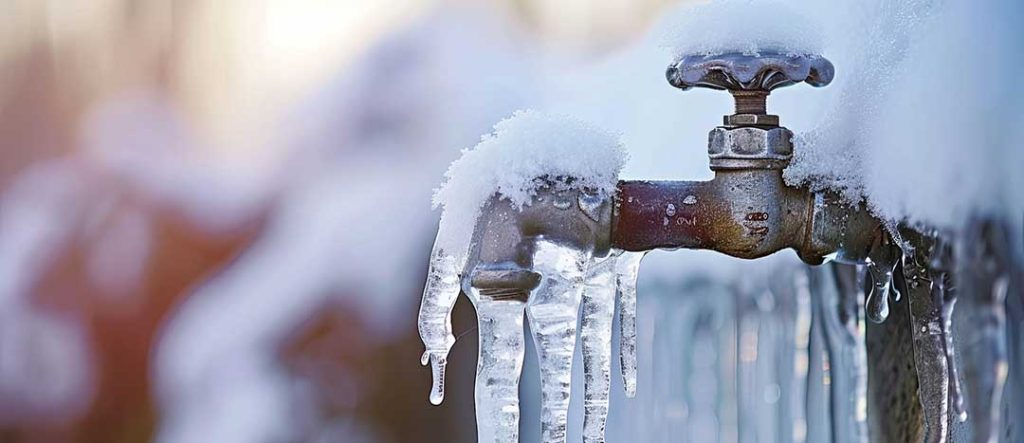
When winter’s chill sets in across the UK, frozen water pipes become a real concern for homeowners and businesses alike. Frozen pipes can lead to costly repairs and significant inconvenience, including water shortages and burst pipes. Fortunately, there are several proactive steps you can take to prevent your pipes from freezing, whether they’re indoors or outdoors. At All Plumbing Newbury, we’re here to help ensure your plumbing system stays in top shape no matter the weather.
Why Do Pipes Freeze?
Water pipes freeze when temperatures drop below zero degrees Celsius, causing the water inside to solidify. As water turns to ice, it expands, putting immense pressure on the pipe. This pressure can cause cracks or even full-blown bursts, leading to leaks and flooding. Outdoor pipes, pipes in unheated areas, and poorly insulated pipes are particularly vulnerable.
Signs of Frozen Pipes
- Reduced or no water flow from taps.
- Frost or ice visible on the exterior of pipes.
- Unusual sounds when turning on taps, such as gurgling.
- Damp patches or small leaks around pipes.
Act quickly if you notice these signs to prevent further damage.
How to Prevent Frozen Pipes
1. Insulate Your Pipes
Pipe insulation is one of the most effective ways to protect against freezing temperatures. Use foam pipe lagging to insulate pipes in lofts, basements, garages, and outdoor areas. These are available at most DIY stores and can be installed with minimal effort.
2. Maintain a Consistent Temperature Indoors
Keep your home’s thermostat at a steady temperature, even when you’re out. Setting your heating to a minimum of 12°C can help ensure pipes in colder areas, such as attics or underfloor spaces, remain warm enough to prevent freezing.
3. Protect Outdoor Pipes and Taps
Disconnect and store garden hoses indoors during winter. Use tap covers or insulation jackets for outdoor taps and exposed pipes to shield them from frost. Drain any unused water features or sprinkler systems.
4. Let Taps Drip in Extreme Cold
When a deep freeze is expected, allow a small trickle of water to flow from taps served by vulnerable pipes. The movement of water can help prevent freezing.
5. Seal Gaps and Cracks
Drafts from gaps around windows, doors, or pipes entering your home can lower temperatures in certain areas. Use caulk or expanding foam to seal these gaps and keep the cold air out.
6. Regular Maintenance Checks
Schedule annual plumbing checks to identify potential issues before winter arrives. A professional plumber can inspect your system and provide tailored advice for safeguarding your pipes.
What to Do If Your Pipes Freeze
If you suspect a pipe has frozen, follow these steps:
Turn Off the Water Supply: Shut off the main stopcock to prevent water damage if the pipe bursts.
Thaw the Pipe Gently: Use a hairdryer, warm towels, or a space heater to thaw the frozen section. Never use a blowtorch or open flame.
Inspect for Damage: Once thawed, check for leaks. If you notice any cracks or bursts, contact a plumber immediately.
Call a Professional: If you’re unable to locate or safely thaw the pipe, contact a plumbing expert.
At All Plumbing Newbury, we offer emergency plumbing services to help you deal with frozen or burst pipes quickly and efficiently.
Why Choose All Plumbing Newbury?
We’re a trusted local plumbing service with years of experience serving homes and businesses across Newbury and the surrounding areas. Our team of experts is ready to assist with all your plumbing needs, from insulation advice to emergency repairs. With our prompt and reliable service, we’ll help you keep your plumbing system running smoothly throughout the winter months.
Get in Touch
If you need help protecting your pipes this winter, give us a call on: 01635269888 Whether it’s preventive maintenance or urgent repairs, we’re here to help 24/7.