


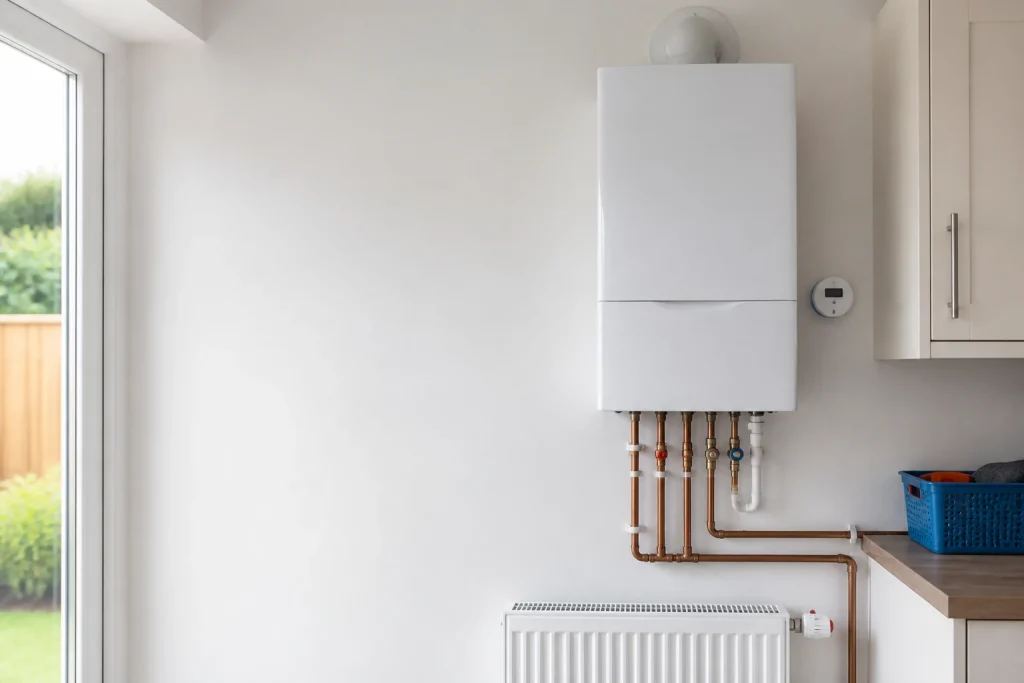
A boiler that starts banging, gurgling or whistling is easy to dismiss at first, especially if the heating still comes on and the hot water still runs. The trouble is that unusual noise is often one of the first signs that something inside the system needs attention.
Getting the noise checked early gives a qualified engineer the chance to find the cause before it develops into a loss of heating, a leak, a damaged part or a safety concern. This guide explains what common boiler noises can mean, what you can safely check yourself and when to arrange professional help.
Why boiler noises are worth taking seriously
Your boiler and central heating system are designed to work with controlled pressure, steady water movement and safe combustion. When something changes, noise is often the way the system tells you that flow, pressure, temperature or a component is no longer behaving as it should.
A one off sound is not always a crisis. Pipes can expand as they warm, pumps can hum and a boiler may make brief noises as it starts or stops. What matters is a change from normal. If a quiet boiler begins clanking, if radiators start gurgling every morning or if a whistle gets louder over time, it is sensible to treat it as useful evidence rather than background noise.
Early checks can also make repair decisions clearer. An engineer can listen to the sound, test the appliance, inspect visible pipework, check system pressure and look for signs such as trapped air, poor circulation, worn parts, sludge, faulty valves or combustion problems. That fault finding process is the difference between guessing and diagnosing.
If the sound is linked to the boiler itself, arranging professional boiler repair is the safest route. Boilers involve gas, electricity, hot water and pressure, so the important work should be handled by someone qualified to test and repair the appliance properly.
What banging or knocking can suggest
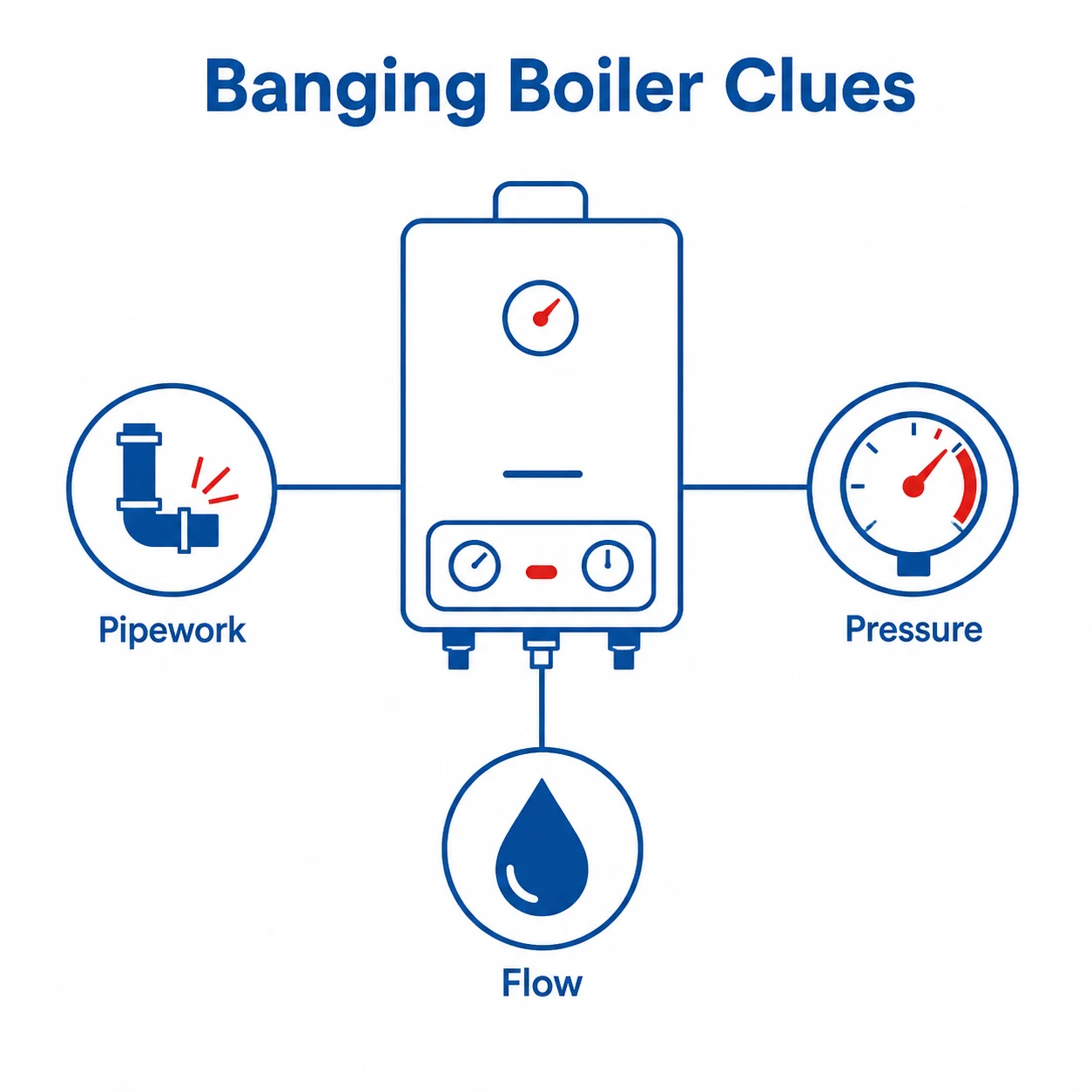
Banging, knocking or thudding from a boiler can be unsettling because it often sounds sudden and forceful. One possible cause is trapped air or poor water circulation. If water cannot move smoothly through the system, heat can build unevenly and create sharp noises as the boiler fires.
Another common concern is kettling. This is where water inside the heat exchanger becomes too hot in localised areas, sometimes due to scale, sludge or restricted flow. The sound can resemble a kettle beginning to boil, though in a boiler it points to a system problem that needs proper attention.
Knocking can also come from pipes rather than the boiler casing. Pipework expands and contracts as temperatures change, and pipes that are tight against surrounding materials can knock as they move. While this may be less serious than an internal boiler fault, it is still worth checking if the sound is new, loud or happening alongside pressure loss, leaks or poor heating performance.
You should not remove boiler covers or try to adjust internal parts. A safe homeowner check is to look at the pressure gauge if your boiler has one and compare it with the guidance in the manufacturer manual. You can also note when the noise happens, such as during start up, when hot water is used or when the heating switches off. That information helps the engineer narrow down the cause.
What gurgling in the boiler or radiators may mean
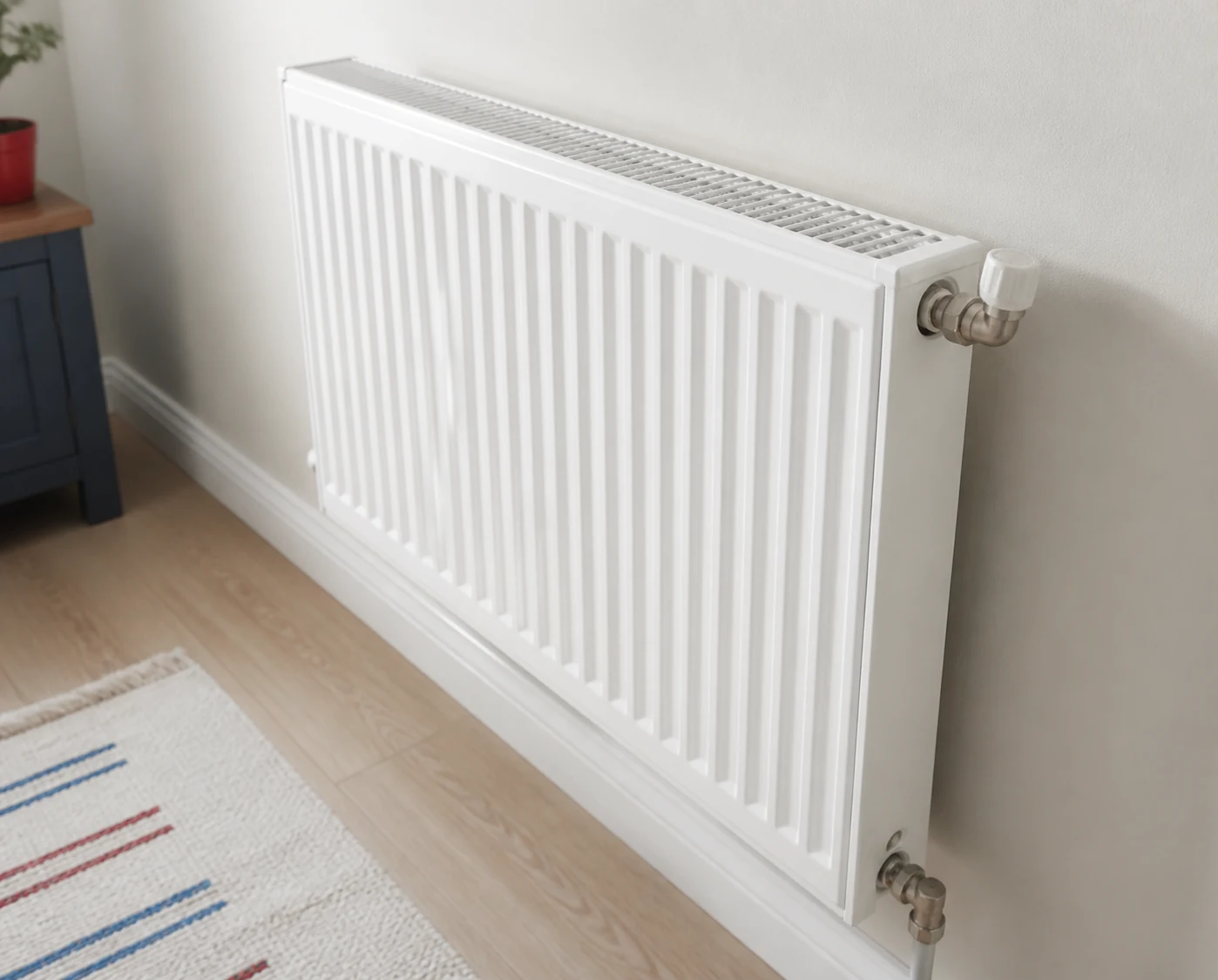
Gurgling is often linked to air in the central heating system. Air pockets can stop water circulating properly, which can leave radiators cool at the top, make the system sound uneven and put extra strain on the pump. Bleeding radiators may help in some cases, but repeated gurgling means the reason air is entering or staying in the system needs to be found.
Low pressure can also contribute to gurgling. If pressure keeps dropping, there may be a leak, a faulty pressure relief valve, an expansion vessel issue or another fault that needs investigation. Topping up pressure again and again without finding the cause can hide the problem until the boiler locks out or a leak becomes more obvious.
Sludge and debris can create similar symptoms. Over time, internal corrosion in radiators and pipework can form dark deposits that restrict flow. This can make radiators heat unevenly, create noise and reduce efficiency. An engineer can assess whether cleaning, balancing, part replacement or other remedial work is appropriate.
If your system has a recurring noise after routine use, it may also be a sign that it would benefit from regular boiler servicing. Servicing is not the same as a repair, but it can help identify wear, safety issues and performance concerns before they become more disruptive.
Why whistling, screeching or humming should not be ignored
Whistling can point towards restricted water flow, trapped air, a pressure issue or a component that is not operating smoothly. Sometimes homeowners describe it as a high pitched squeal, a faint whistle or a noise like air escaping. The exact sound and timing matter, which is why a proper inspection is more useful than trying to match the noise to a single cause.
A humming boiler may be linked to the pump, fan, motorised valves or vibration through pipework. Some low level operational hum is normal, but a new or louder hum deserves attention, especially if it comes with intermittent heating, error codes, pressure changes or a smell of hot electrics.
Whistling should be treated with particular care if it appears after recent changes to radiator valves, system pressure or boiler settings. Adjustments can alter flow and demand across the system. If you are unsure about settings, a helpful starting point is guidance on what temperature to set your boiler to, but persistent noise still needs diagnosis rather than repeated adjustment.
Any unusual noise with a gas smell, signs of scorching, a carbon monoxide alarm activation, visible water near electrics or a boiler that will not run safely should be treated as urgent. In those situations, stop using the appliance if it is safe to do so and follow emergency safety guidance.
Safe checks before you call an engineer
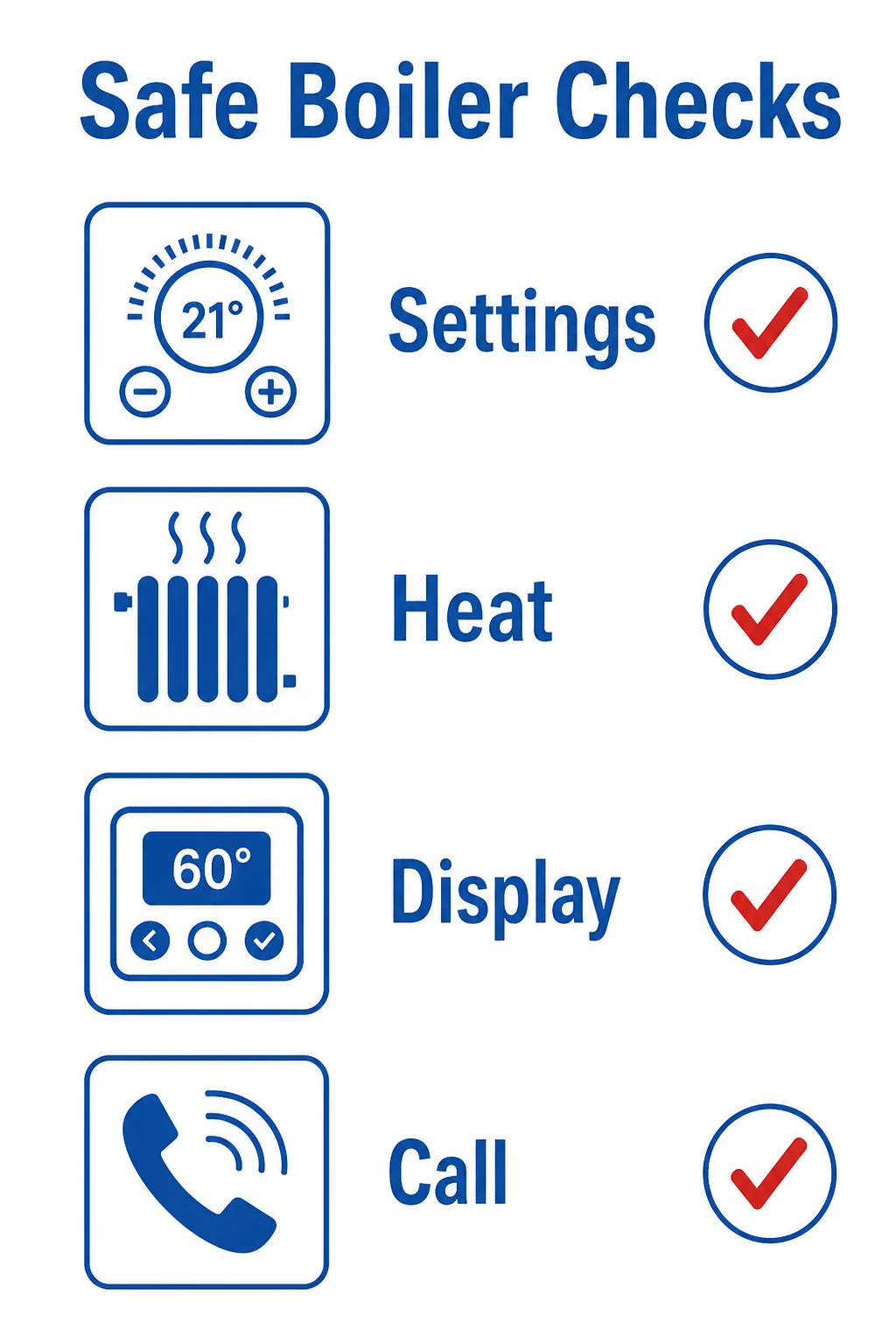
There are a few simple checks that can help you describe the problem clearly without taking risks. Start by noting the type of noise and where it seems to come from. Is it inside the boiler casing, near a radiator, under the floor or around a cylinder or pump? Does it happen when the heating starts, when hot water is running, or after the boiler shuts down?
Next, look for visible signs. Check whether radiators are heating evenly, whether the boiler display shows an error code and whether the pressure gauge looks different from its usual reading. Look for drips around accessible pipework and radiator valves, but do not touch anything hot or open the boiler casing.
It can also help to consider recent changes. Have radiators been removed or replaced? Has the system been topped up? Have valves been adjusted? Has a new appliance been connected? Details like these can point an engineer towards air, pressure, flow or installation related issues.
What you should avoid is just as important. Do not silence the noise by turning settings up and down repeatedly. Do not ignore pressure that keeps falling. Do not attempt internal boiler repairs. If there is water escaping, you may find practical steps in All Plumbing Services guide to what to do before emergency plumbing help arrives, but boiler faults still need qualified attention.
How early boiler repair helps prevent bigger problems
A noisy boiler is easier to deal with when it is still running and the symptoms can be observed. Once a boiler has locked out or a part has failed completely, the fault may be more disruptive to the household and there may be less information about how the issue developed.
Early repair also protects the wider heating system. Poor circulation, air, sludge and pressure faults can affect radiators, valves, pumps and pipework as well as the boiler. By dealing with the cause, not just the sound, an engineer can help restore steady operation across the system.
There is also a safety benefit. Boilers are specialist appliances, and noises linked to combustion, overheating, electrical parts or pressure should never be treated as a DIY project. A qualified engineer has the tools and training to test the appliance, confirm whether it is safe to use and explain the repair options clearly.
For homeowners, the best approach is calm and practical. Listen for changes, make simple observations, avoid opening the appliance and arrange a professional check when a noise is unusual, repeated or paired with other symptoms. That way, the noise becomes an early warning rather than the start of a breakdown.
- New boiler noises should be treated as useful warning signs, especially if they are repeated or getting louder.
- Banging can suggest trapped air, poor circulation, kettling, pipe movement or another fault that needs diagnosis.
- Gurgling often points to air, low pressure or restricted flow, particularly if radiators heat unevenly.
- Whistling, screeching or louder humming should be checked by a qualified engineer rather than adjusted by guesswork.
- Do not remove boiler covers or attempt internal repairs. Record the symptoms and arrange a professional inspection.
Frequently asked questions
Is a noisy boiler always dangerous?
Not always. Some operational sounds are normal, and pipework can make occasional noises as it warms and cools. A new, repeated or worsening noise should still be checked because it can point to pressure, flow, component or safety issues.
Can I keep using my boiler if it is banging?
If the boiler is working normally and there are no warning signs, note when the banging happens and arrange an engineer visit. If you smell gas, see leaking water near electrics, have a carbon monoxide alarm activation or the boiler appears unsafe, stop using it if safe and seek urgent help.
Will bleeding radiators stop gurgling?
Bleeding radiators may help if trapped air is the cause. If gurgling returns, pressure drops or radiators still heat unevenly, the underlying issue needs investigation.
Should I repair or replace a noisy boiler?
That depends on the cause, age, condition and repair history of the appliance. An engineer can diagnose the fault first, then explain whether repair is sensible or whether replacement should be considered.
Need a boiler noise checked?
If your boiler is banging, gurgling, whistling or simply sounds different from normal, All Plumbing Services can inspect the problem and advise on the right repair.